
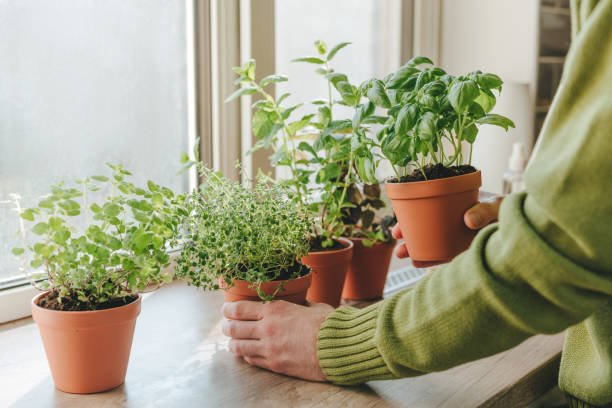
Growing fresh herbs at home is, honestly, one of those kinds of relaxing gardening things. Herbs add extra flavour to meals, they attract helpful insects in a calmer way, and they give you that steady stream of fresh ingredients right outside the kitchen door. Still a lot of new gardeners end up making mistakes they do not notice right away , and that can slow everything down. The harvest gets smaller, and the whole life span of the herb plants can end too soon.
Once you understand those usual missteps, you can build healthier garden beds and help your herbs keep thriving through the whole growing season. Here are ten of the most common herb gardening mistakes , plus how to avoid each one.
1. Jumping Straight into Seed Growing
Jumping straight into seed growing feels easy at first, but it can also get annoying fast for beginners. Herb seeds often need specific temperatures, consistent dampness, and a decent span of waiting before anything shows up under the soil.
Some varieties take weeks to sprout. Others do this odd, sometimes inconsistent germination, like they’re indecisive. New gardeners usually get discouraged when seeds do not show at all, or when everything comes up lopsided and uneven.
A smoother path is to begin with sturdy, healthy seedlings from a local nursery. Going with already established plants gives quicker results, and it helps you learn herb care step by step before you really commit to seed propagation.
Key Tips:
- Start with nursery-grown herbs.
- Learn basic herb care first.
- Experiment with seeds after gaining confidence.
- Use quality seed-starting mixes.
2. Choosing Unsuitable Herb Varieties
Not every herb does the same thing in every garden. Some need full sunlight, yet some are more calm about partial shade. A few grow pretty compact and tidy, others spread out like they have somewhere to be , and they don’t stop.
When you pick herb varieties without looking at your local climate conditions, you usually end up with disappointing results, kinda like it’s your fault , but not really.
Popular beginner-friendly herbs include:
- Basil
- Parsley
- Chives
- Mint (in containers)
- Oregano
- Thyme
Researching each plant’s requirements before planting can save significant time and effort.
Smart Selection Tips:
- Match herbs to local weather conditions.
- Consider available sunlight.
- Check mature plant size.
- Choose varieties suited for garden beds or containers.
3. Treating Herbs Like Ordinary Pot Plants
One of the biggest mistakes is overwatering herbs, like you know, those casual potted plants. A lot of gardeners assume herbs need frequent watering, similar to ornamental flowers.
However most culinary herbs prefer well-draining soil and a bit more on the dry side. When there is excess moisture it can cause root rot, fungal diseases, and overall weaker growth .
Mediterranean herbs, like rosemary thyme sage, and oregano in particular really dislike staying in constantly wet soil.
Better Watering Practices:
- Check soil moisture before watering.
- Water deeply rather than frequently.
- Improve drainage in garden beds.
- Avoid leaving standing water around roots.
Healthy roots produce stronger plants and more flavourful leaves.
4. Being Too Careful with Pruning
A lot of beginner gardeners kinda stall when it comes to trimming herbs, because they worry they might hurt the plant. But really, steady pruning leads to a thicker, bushier habit and better harvests.
If you don’t prune, herbs will often stretch out and get leggy then you end up with less usable leaf material.
Also, frequent picking helps as a kind of natural haircut, and it keeps coaxing fresh growth all the way through the season.
Pruning Guidelines:
- Remove the top growth regularly.
- Cut just above leaf nodes.
- Avoid removing more than one-third of the plant at once.
- Use clean, sharp pruning tools.
Consistent trimming keeps herbs compact, healthy, and productive.
5. Harvesting the Wrong Leaves
Using incorrect harvesting techniques can kinda slow the growth, and it can also reduce plant health.
A lot of beginners remove big amounts of leaves from just one side of the plant, or they strip the lower foliage way too much. Then the whole thing ends up uneven, with extra stress.
The healthier option is to go with selective harvesting across multiple spots, not just one… like you take a little here and there.
Correct Harvesting Methods:
- Pick young, healthy leaves.
- Harvest evenly around the plant.
- Leave enough foliage for photosynthesis.
- Take stems rather than individual leaves when appropriate.
Balanced harvesting promotes continuous production throughout the growing season.
6. Ignoring Flower Development and Bolting
Bolting is when the herb kinda switches its energy away from leaf-making, and into flower plus seed creation. After that, leaf quality often drops a bit, and flavours can even turn bitter, rather fast. Basil for example is pretty well known for bolting when the weather is warm, or it starts warming up too much too quickly. A lot of gardeners also miss the flower buds at first, like they assume it’s no big deal, until the plant has already grown way past that point.
Prevention Strategies:
- Inspect plants weekly.
- Pinch off flower buds early.
- Harvest frequently.
- Maintain consistent watering during hot periods.
Managing bolting helps maintain tender leaves and stronger flavours.
7. Reusing Nutrient-Depleted Soil
Old garden soil often lacks the nutrients necessary for vigorous herb growth. While herbs are not particularly demanding plants, they still require balanced nutrition.
Repeated planting without replenishing soil can result in:
- Slow growth
- Pale foliage
- Reduced flavour
- Lower harvest yields
Soil Improvement Techniques:
- Add quality compost annually.
- Incorporate organic matter.
- Use balanced fertilisers when necessary.
- Test soil conditions periodically.
Healthy soil forms the foundation of every successful herb garden.
8. Expanding the Herb Collection Too Slowly
Many gardeners start with a single herb and delay adding complementary varieties. While beginning small is sensible, overly cautious expansion can limit learning opportunities.
A diverse herb garden offers:
- Greater harvest variety
- Improved pollinator attraction
- Better use of available space
- More cooking options
Good Companion Herbs:
- Basil and parsley
- Thyme and oregano
- Chives and sage
- Coriander and dill
Gradually expanding herb selections creates a more productive and enjoyable garden.
9. Mixing Up Similar Herb Varieties
Numerous herbs look surprisingly similar, especially during early growth stages. Confusion between varieties often leads to improper care and harvesting.
Examples include:
- Flat-leaf parsley and coriander
- Oregano and marjoram
- Different basil cultivars
- Various mint species
Proper identification prevents maintenance mistakes.
Organisation Tips:
- Label all new plantings.
- Create a simple garden map.
- Keep plant tags.
- Learn distinguishing characteristics of each herb.
Accurate identification improves long-term garden management.
10. Letting Aggressive Herbs Take Over
Some herbs are incredibly vigorous growers. Mint, lemon balm, and certain oregano varieties can quickly spread throughout a garden bed if left unchecked.
Without proper management, aggressive herbs may compete with neighbouring plants for sunlight, nutrients, and space.
Containment Solutions:
- Grow spreading herbs in containers.
- Install root barriers.
- Divide plants regularly.
- Monitor growth every few weeks.
Controlling aggressive species helps maintain balance and prevents overcrowding.
Create Thriving Herb Garden Beds with Professional Assistance
A really good herb garden comes down to decent planning, soil that’s actually healthy, ongoing maintenance, and that steady regular attention. When people skip the small stuff, growth slows, harvest quality gets weaker and the whole look of the space can feel kind of tired , even if the plants are “fine”.
So if you’re a homeowner and you’re trying to put together workable garden beds, or you’re looking to refresh what you already have, getting gardening support from a professional can make the whole thing easier, and often a lot more fun too. It’s kind of like you follow the proper rhythm, without spending hours on guesswork.
Less Mess Gardens offers dependable gardening service and ongoing garden bed upkeep, built to keep outdoor areas energetic, through every season. They can assist with soil preparation ,and offer practical planting guidance, then stick around for regular garden care. With that kind of real expertise in your corner, your herb garden can become a flourishing highlight, not just some random herb patch that keeps falling behind.
Contact Less Mess Gardens
📞 +64 278849843
Frequently Asked Questions
How often should herb gardens be watered?
Most herbs prefer deep watering when the soil begins to dry out. Frequency depends on weather conditions, soil type, and the specific herb variety.
Which herbs are easiest for beginners to grow?
Basil, parsley, chives, thyme, oregano, and mint are among the easiest herbs for beginners due to their adaptability and simple maintenance requirements.
Why do herb leaves turn yellow?
Yellow leaves may result from overwatering, poor drainage, nutrient deficiencies, or insufficient sunlight.
Can herbs grow successfully in raised garden beds?
Yes. Raised beds often provide excellent drainage and soil control, making them ideal for growing many herb varieties.
When should herbs be harvested?
Most herbs can be harvested regularly once they become established. Morning harvesting typically provides the best flavour and freshness.
Is fertiliser necessary for herb gardens?
Herbs generally require less fertiliser than many vegetables. Compost and organic matter often provide sufficient nutrients for healthy growth.