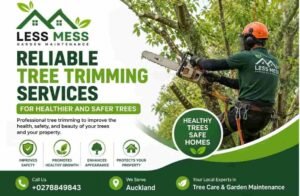
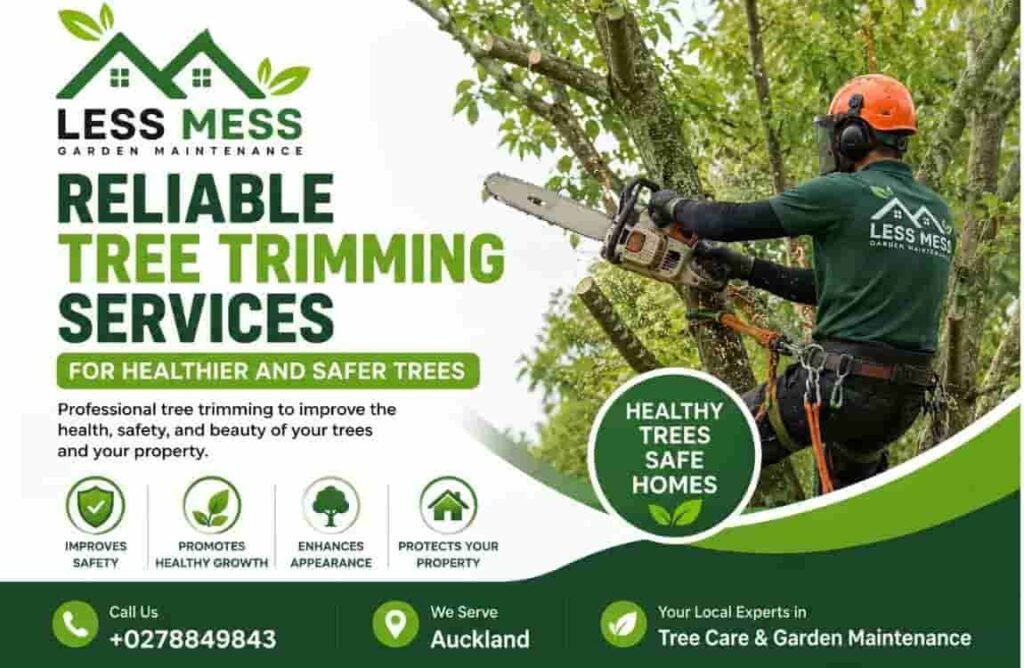
Trees are a big part of nearly every property. They bring shade, privacy, that natural aesthetic, plus environmental perks. But if the upkeep slips, then too much without regular upkeep overgrown or weak limbs can turn into real safety problems, or they can weaken the trees over time. With proper professional tree trimming, your outdoors stays neat and fresh , while your home and family are protected from hazards you can actually avoid.
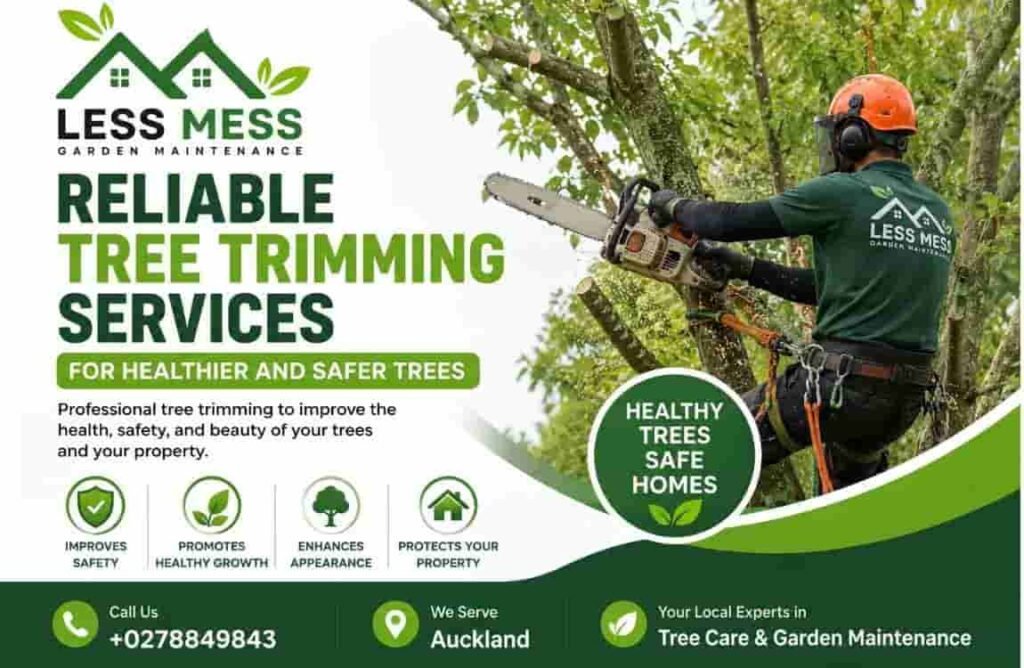
This whole guide goes through what you should know about tree trimming. It includes the health and safety advantages, the main warning signs that your trees need attention, why autumn tends to be a smart time for maintenance, and how to pick the right tree care crew across all Auckland suburbs.
What Is Tree Trimming?
Tree trimming kinda involves smart removal of certain branches, so the tree keeps a decent shape, density, and growth rhythm. People often mix it up with tree pruning, but really these are separate parts of tree maintenance, not the same thing. Like, trimming is more about how things look and where the branches go, while pruning leans more toward the tree’s inner health.
- Tree Trimming: Usually focuses on appearance, clearance, and how branches reach outward. It helps deal with overgrown limbs that block sunlight, droop toward rooftops, or get in the way of driveways and even power lines.
- Tree Pruning: More focused on biological health and the tree’s structural strength. It removes diseased or declining wood, plus other defects that weaken the structure, so it can grow in a healthier way.
Both services matter a lot , and together they form a full plan for tree care. In the end they help keep trees stable, safer around the property, and visually neat in a calm, organized sorta way.
Why Tree Trimming Is Important
Improves Tree Health
When you take away dead, diseased, or harmed branches, you can slow the spread of rot, and yeah it does that in its own slow way, like quietly working in the background. Also selective thinning makes the canopy feel less packed, so sunlight gets in a lot easier, and air flow moves better. That combination helps keep fungal issues from taking hold, and it supports fresh vigorous growth, kind of like the tree stays on a more steady, healthy rhythm.
Enhances Safety
Limbs that are overgrown, heavy, or just compromised can turn into a real headache when strong winds and rain arrive. Regular trimming removes brittle sections ahead of time, before they finally drop or crack. Then roofs, vehicles, fence lines, and even the people walking along the sidewalk stay safer from costly surprises. It’s not only about how things look, it’s also about keeping your mind at ease during bad weather.
Improves Property Appearance
A well maintained tree can kind of frame your home and make the whole property feel more inviting. Trimming encourages a more uniform silhouette, clears out those awkward bare or dead patches, and lifts curb appeal, which often ties back to better resale value as well.
Signs Your Trees Need Trimming
Spotting things early stops the whole emergency later, kind of, you know. Keep an eye out for these hints:
- Overgrown branches: Thick foliage that is squeezing past windows, clogging gutters, or even covering the paths like it owns the place.
- Dead or broken limbs: Dry, barkless sections, or cracked limbs hanging loosely in the canopy, not just “sleepy” but clearly failed.
- Too close to power lines: Branches edging into touching distance of utility lines, which is a big deal for safety.
- Sunlight getting shut out: Dense growth that won’t let the grass or understory plants get enough light, so everything looks dim or patchy.
- Crooked or lopsided canopy: Heavy leafy mass on one side, leading to uneven, unbalanced weight and a noticeable tilt.
- Structures in jeopardy: A limb that overhangs right above roofs, decks, or driveways, especially if it sways during wind.
Why Autumn is the Perfect Time for Tree Trimming
Even though light pruning can be done all year round, autumn gives a few special benefits for trimming trees around Auckland suburbs, not just a small difference:
- Clearer sight lines: When many deciduous trees lose their leaves, the real shape of the branches shows up more, so cracks, deadwood bits, and those awkward cross branches are easier to spot. This helps with more accurate cuts , and less guesswork.
- Getting ready for dormancy: Trimming in autumn lowers the overall stress on the tree ahead of winter dormancy. In other words it helps the tree conserve key nutrients , so it can push out stronger growth in spring.
- Better storm preparedness: Auckland winters can come with heavy rain and gusty winds. Doing the work in autumn can improve how the canopy handles wind, and also remove bulky branches before winter storms start.
- Fewer pests about: With cooler conditions in autumn, many insects and fungal spores are less active. That means the chances of problems at the fresh cut sites can be reduced.
Benefits of Hiring Reliable Tree Trimming Services
Trying to trim big trees, without the right training, can end up being way more risky than people think. If you team up with a pro crew like Lessmessgardens you get a bunch of real advantages that feel simpler, even if the job itself is not.
Professional Assessment
Experienced arborists take a look at the tree’s condition, they spot hidden health problems, check the overall structure, and then they use the trimming approach that matches the exact tree species. It’s not just “cut here and there” and hope for the best.
Proper Equipment and Techniques
The team brings proper climbing gear, safe elevated work platforms, and precision tools. This helps them make clean cuts that can heal better, without bruising or hurting the trunk, bark, or nearby branches. In other words, the work is controlled, not rushed.
Safety Compliance & Debris Removal
Everything is done under safety protocols designed to reduce danger to your property and the people around. Also, you get the full cleanup, like chipping, bagging, and green waste disposal, so your yard stays neat, and not like a mess after.
Different Types of Tree Trimming
Depending on how old your tree is , what condition it’s in, and where it sits, you usually use different trimming approaches. Sometimes it’s not “one size fits” kind of thing, it’s more like… you match the method to the situation.
- Crown Thinning: You remove certain inner branches on purpose, so more light can get through and wind doesn’t hit as hard, all while the tree’s general silhouette stays similar.
- Crown Raising: You take off the lower branches so there’s clearance for pedestrians, cars, or even nearby buildings.
- Crown Reduction: You lower the height or control the spread of the canopy, mainly when there are space limits or when heavy limbs start putting stress on the structure.
- Deadwood Removal: You clear out dead, dying, or diseased growth, which helps reduce rot chances and makes the area safer overall.
- Structural Pruning: For young trees, you guide the branching pattern, kind of like training for the long term, so the central leader stays strong and the branch framework is steady.
- Hazard Reduction Trimming: You target specific limbs that create an immediate danger to nearby structures or utility lines, kinda directly focused rather than broad.
Best Time for Tree Trimming
- Late Autumn through Late Winter: Usually the best window for the bigger, structural cuts, because the trees are dormant and sap flow is low.
- Spring: This is often good for gentle shaping, right after new growth starts showing. But doing serious hard pruning is better left alone, since sap loss and stress can become a problem.
- Emergency Trimming: Do it right away after storm damage, or whenever a limb becomes an immediate safety issue, even if it’s technically “out of season” anyway.
Common Mistakes to Avoid
- Over-trimming, the “lion-tailing” idea: If you strip too much inner foliage you end up with leaves mostly near the branch tips, and that can make the limbs more breakable later on.
- Tree Topping: Removing the top main stem weakens the whole framework, and then you get quick but fragile sprouting.
- DIY Trimming Without Proper Gear: Trying to work machinery up high without fall protection, or without certified safety equipment, can lead to serious injuries, like… fast.
- Ignoring Diseased Branches: If you don’t sterilize tools between cuts you can spread infection across the whole garden, even if only one limb looked bad at first.
- Unseasonal Hard Pruning: Making severe cuts during peak summer heat stresses trees and can trigger sunscald, which is not the kind of surprise you want.
Tree Trimming vs. Tree Removal
| Feature | Tree Trimming | Tree Removal |
| Primary Goal | Maintains and restores tree health | Completely extracts dangerous, dying, or dead trees |
| Impact on Growth | Encourages controlled, healthy growth | Eliminates tree and root system permanently |
| Property Effect | Improves appearance and safety | Eliminates structural or space hazards permanently |
| Cost | Cost-effective routine maintenance | More complex, intensive, and higher cost |
| Best Used When | Tree structure is sound but overgrown | Tree is dead, severe structural failure, or hazardous |
How to Choose a Reliable Tree Trimming Company
When you’re choosing a tree care partner around Auckland suburbs, make sure you check a few things, like really, not just the glossy ads or quick promises.
- Experience & Qualifications: Go with established local specialists who have proven know-how with both native and exotic trees.
- Full Insurance Coverage: Confirm they hold public liability insurance. So your place is covered in case something goes sideways during the job.
- Transparent Pricing: Select a company that offers clear written quotes, ideally itemized. So there aren’t any awkward hidden charges later on.
- Equipped for Cleanup: Ask if branch chipping, mulching, and full site cleanup are included in the quote.
- Customer Reviews: Read local reviews and testimonials, and see if people mention they arrive on time and work safely.
At Lessmessgardens, we bring real experience, modern equipment, and a steady customer service approach to every job, so your outdoor area stays safer, neater, and truly good looking.
Environmental Benefits of Regular Tree Trimming
- Supports Urban Forestry: Keeping up with maintenance, can stretch the life of older suburban trees, so the city stays greener longer.
- Enhances Habitat Quality: When canopies are healthy and well spaced , local birds get better nesting conditions and more stable cover.
- Maximizes Air & Light Flow: With better canopy ventilation, the undergrowth and lawn areas beneath the tree can stay healthier, and breathe more easily
Frequently Asked Questions
How often should trees be trimmed?
In most cases mature trees do well when they get a professional trim every 3 to 5 years, but quick growing, or younger trees might need a bit more frequent shaping , like every 1 to 2 years.
Is tree trimming safe during every season?
Light trimming and removing deadwood is generally safe year round. That said, big structural work is usually safest in autumn and winter , when the trees are resting.
Can tree trimming improve tree health?
Yes. When you take away diseased, or decaying limbs, you can slow down infections and help send essential nutrients toward the stronger healthy branches.
What’s the difference between trimming and pruning?
Trimming mostly deals with the outward outline , size, and appearance. Pruning is more about plant vitality , disease management, and keeping the structure solid.
How much does professional tree trimming cost?
Pricing changes with tree height, your location, how easy it is to access , and the total volume of branches to be handled. Getting a local team to look in person is the best way to get correct estimates.
Should I trim large trees myself?
Usually no. Climbing or working at height with sharp tools near roofs, fences, or especially power lines , comes with serious dangers. Large, tall trees should be done by trained professionals with the right safety equipment.
Don’t Delay – Book Your Professional Tree Trimming Service Today!
trimming is a key investment for your property’s safety, value ,and that nice visual charm . If you take care of things now, you can avoid expensive emergency repairs later on, it’s really that simple.
Need seasonal autumn trimming, structural shaping ,or some clearance work for better sight lines and airflow? Lessmessgardens is ready to help, across all Auckland suburbs.
Contact Lessmessgardens today at +0278849843 to schedule your professional assessment and keep your trees healthy, safe, and beautiful year-round!